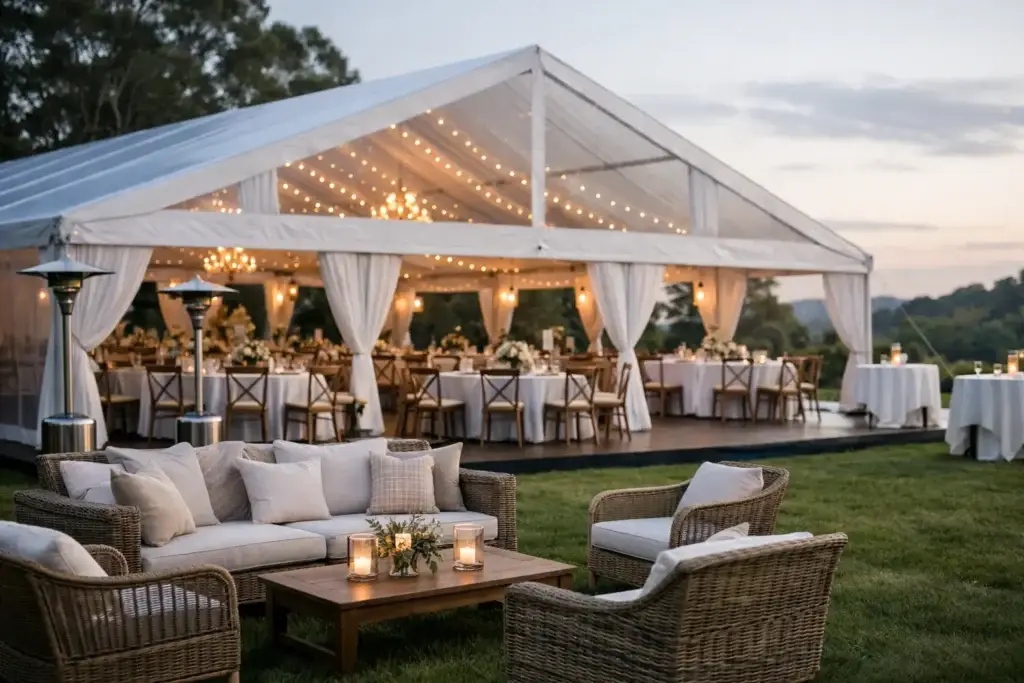
Marquee Hire Melbourne – Events Made Easy
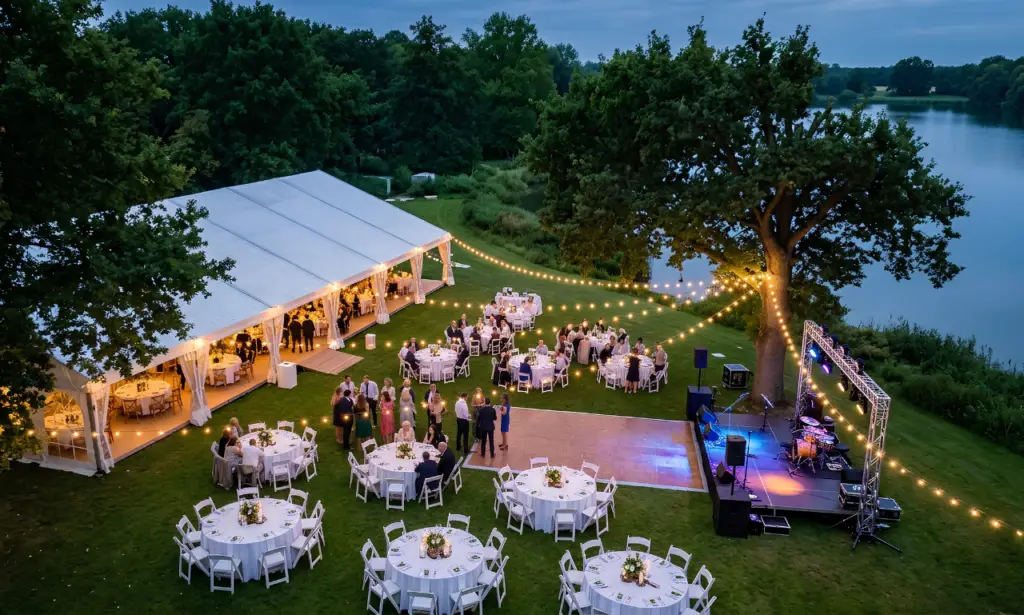
A marquee can turn a backyard, winery lawn, school oval, car park, or open paddock into a proper event site. It can also expose every weak point in the plan if the structure, ground conditions, access, power, and guest numbers have not been considered early. That is why marquee hire Melbourne should start with the site and the event schedule, not just a picture of a tent.
The right structure gives guests shelter, creates a defined arrival point, and gives caterers, entertainers, and hosts room to work. The wrong one can leave too little space for tables, block vehicle access, create drainage problems, or add unnecessary costs late in the process. A clear plan avoids all of that.
Start Marquee Hire Melbourne With the Real Site
Before choosing a marquee size, establish where it will sit and what is underneath it. A flat, accessible lawn is straightforward. A sloping block, soft ground after rain, uneven paving, or a tight inner-city driveway needs more thought. Site access matters as much as the footprint. Trucks need a practical route for delivery, and the installation crew needs room to safely unload and build.
Measure the usable space, not the full property. Allow for garden beds, pools, trees, overhead wires, fences, septic systems, pathways, and neighboring boundaries. If the site has limited access, smaller components may be needed instead of a structure that relies on large equipment. That can affect installation time and cost, but it is better to establish it before the booking is locked in.
Ground conditions determine how the marquee is secured. Depending on the site, this may involve stakes, weights, or another approved fixing method. Concrete, asphalt, and heritage-sensitive grounds require particular care. For council land, school grounds, or public spaces, you may also need permits, site approvals, or documentation before installation can begin.
Choose a Structure Around How Guests Will Move
Guest count is only one part of marquee sizing. A seated wedding dinner, cocktail launch, school formal, and community fundraiser can each host the same number of people but need very different layouts.
For a seated event, account for tables, chairs, aisles, a buffet or bar, a dance floor, gift table, DJ or band area, and clear paths for staff. A cocktail event may use less dining space but needs room around bars, high tables, food stations, and an entry point that does not immediately bottleneck. If guests will be moving between the marquee and another area, such as a house, venue building, or garden ceremony, plan that route as part of the structure layout.
Ceiling height and the shape of the marquee also influence the feel of the event. A clean-lined frame marquee can suit a corporate function or backyard celebration where usable internal space is the priority. A larger clear-span structure may be more appropriate for a festival, product activation, or event needing staging and a wide audience area without internal poles. There is no single best option. The right choice depends on the site, visual brief, weather exposure, and what needs to happen inside.
Do Not Forget the Working Areas
The guest-facing marquee is often only part of the job. Caterers may need a covered prep zone. A band needs a protected performance area. Registration staff need a dry, powered check-in point. Equipment storage, refrigeration, green rooms, and accessible pathways also need a place in the plan.
Separating these working areas from the main guest space keeps the event looking organized and helps suppliers do their jobs without crossing through the crowd. It is a practical detail that makes a noticeable difference on event day.
Build for Melbourne Weather, Not the Forecast Screenshot
Melbourne weather can change before guests finish their first drink. A forecast is useful, but it is not a weather plan. Good marquee planning considers wind, rain, temperature drops, heat, and the direction of the afternoon sun.
Sidewalls are one of the most useful decisions you can make. They can be left open in good conditions, partially fitted to reduce wind, or closed when rain moves through. Clear walls retain light and preserve views, while solid walls provide privacy and stronger visual separation. The best setup depends on the site and season. A fully enclosed structure can be comfortable on a cold night, but it needs adequate ventilation and carefully planned heating.
Flooring is another decision that should be made early. On dry, level grass, a simpler setup may be suitable for a short event. For formal shoes, long dining service, wet weather risk, uneven ground, or a polished corporate presentation, flooring can make the space safer and more comfortable. It also helps protect cables, define zones, and keep guests out of mud.
Heating, fans, and lighting should be treated as event infrastructure, not last-minute extras. The right heating coverage depends on the marquee size, wall configuration, ceiling height, and outside temperature. Lighting needs to support both atmosphere and safety, particularly at entries, walkways, toilets, bars, service areas, and exits.
Plan Power Before Booking Equipment
A marquee does not create power. Once lighting, heating, catering equipment, refrigeration, sound, AV, and chargers are added, the load can build quickly. Relying on a household power point can be risky, particularly when multiple suppliers connect equipment throughout the day.
Start by identifying every powered item and its requirements. Then work out whether existing site power is sufficient or whether a generator and distribution system are required. Power cables should be routed safely, protected where they cross walkways, and kept clear of wet areas. This is not the place for improvised extensions added after dark.
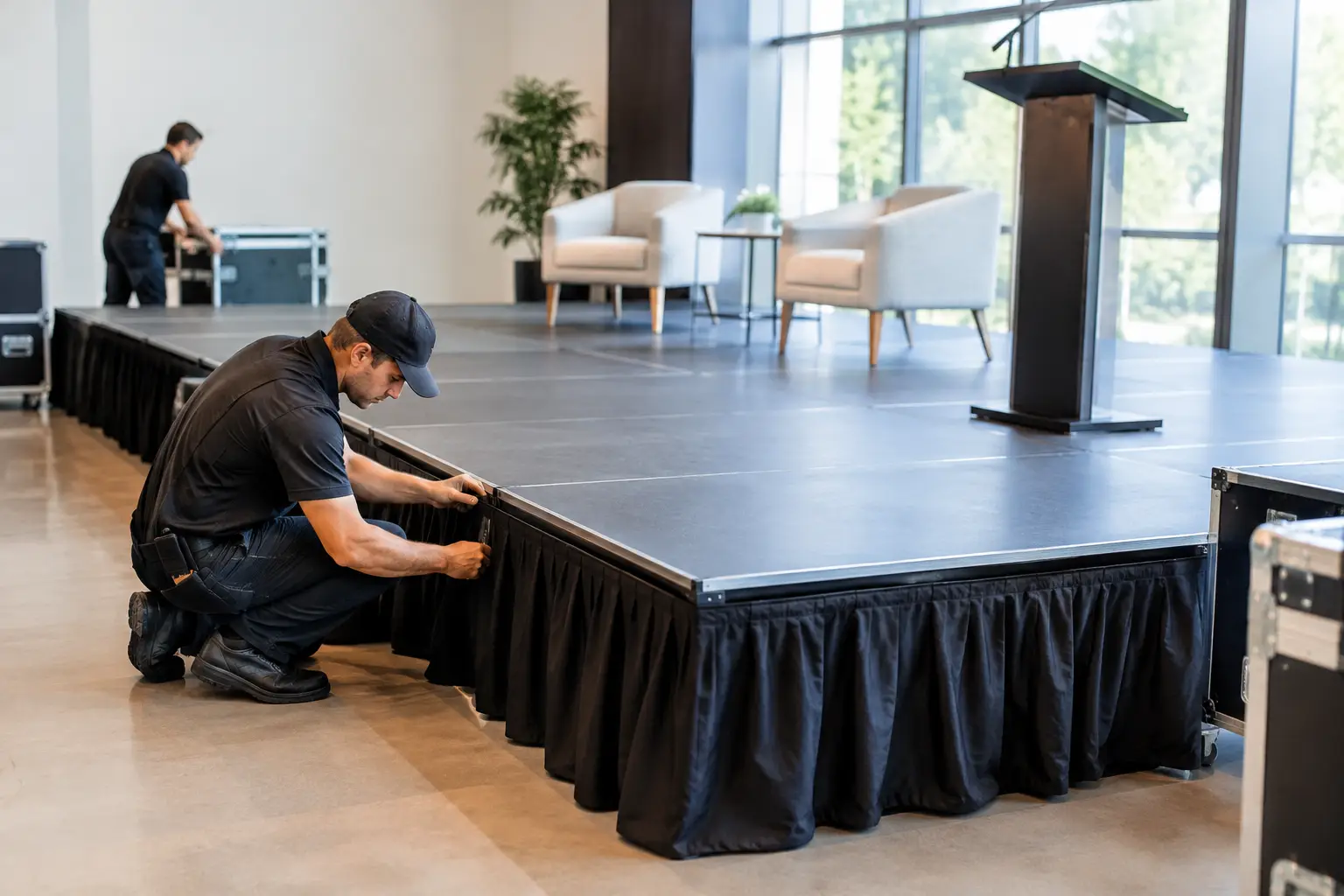
For larger events, power planning may include separate circuits for catering, production, and guest-area equipment. That separation helps prevent a refrigeration unit or coffee machine from affecting the sound system during speeches. If you are bringing in a band, screen, staging, or event lighting, involve the technical team while the marquee layout is still being finalized.
Coordinate Delivery, Setup, and Pack-Down as One Job
The most efficient events are built around a realistic run sheet. Installation should happen early enough to allow furniture, styling, catering, and production teams to move in without working over each other. For a wedding, that may mean the structure goes up the day before while tables, lighting, and décor follow in a scheduled order. For a festival or public event, it may mean coordinating bump-in windows, permits, traffic management, and safety checks across several days.
Tell your hire team the event date, site address, guest numbers, access restrictions, and key times. Also flag stairs, narrow gates, lifts, underground car parks, curfews, and any venue rules. Small details affect crew allocation, vehicle choice, installation method, and the final delivery schedule.
A coordinated provider reduces the handoffs between separate marquee, furniture, power, staging, and lighting suppliers. Zero Three Party & Event Hire can coordinate these elements through one booking process, so the structure is planned alongside the equipment that needs to fit inside it. You get a clearer view of timing, responsibility, delivery, and pack-down.
Ask the Questions That Prevent Late Changes
A useful quote should reflect the actual event, not only the marquee dimensions. Confirm whether delivery, installation, collection, sidewalls, weights or staking, flooring, lighting, heating, furniture, and power are included. Ask what is required from you before the crew arrives, including access clearance, parking, approvals, and a safe site.
If your event is on public land or a venue with strict operating conditions, establish who is handling permits, engineering requirements, compliance documents, and site liaison. Private hosts may not need the same level of planning as a large public event, but every event benefits from clear responsibilities.
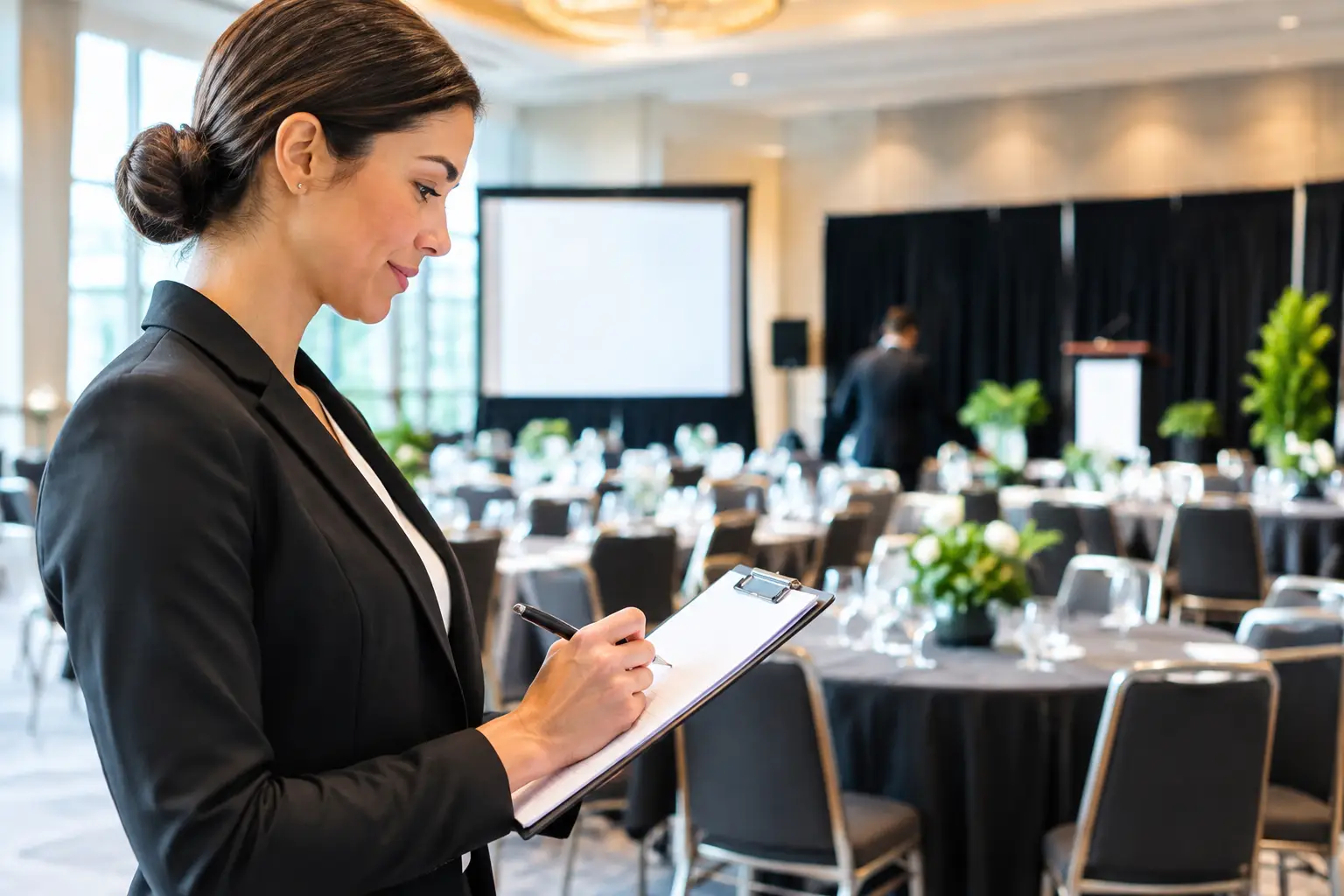
The goal is not to overcomplicate a simple celebration. It is to match the level of planning to the consequences of getting it wrong. A 30-person backyard lunch may need a straightforward covered area, furniture, and weather backup. A 300-person awards night needs a site plan that accounts for structure, exits, production, power, catering, and guest flow from the start.
A marquee works best when it feels like it belongs on the site, rather than something added in a rush. Give the structure enough room, plan for the weather Melbourne can deliver, and coordinate the equipment around the way your event will actually run. Then your guests can focus on the occasion, and you do not have to lift a thing.