
A generator that starts is not necessarily a power plan that works. Add a stage, catering equipment, temporary lighting, refrigeration, AV, heaters, or a few extra vendor connections, and demand can change quickly. An event load calculation service turns that moving list of equipment into a practical power plan before trucks arrive and cables go down.
For a backyard celebration, the answer may be straightforward. For a wedding on a rural property, a corporate launch in an empty warehouse, or a multi-day festival site, it needs more detail. The goal is the same: supply enough safe, correctly distributed power for every critical part of the event without paying for oversized equipment you do not need.
What an Event Load Calculation Service Actually Does
A load calculation starts with the equipment list, but it should not stop there. Each item is reviewed for its rated power demand, connection type, run time, and importance to the event. That includes obvious loads such as sound systems, LED screens, stage lighting, and catering, plus easy-to-miss items such as urns, fridges, charge stations, portable toilets, site offices, and vendor stalls.
The calculation then looks at how those loads behave together. Some equipment runs continuously. Some cycles on and off. Some motors draw a larger surge when starting. A cool room, coffee machine, or pump can affect a system differently from decorative festoon lighting, even if the listed wattage appears similar.
From there, the plan identifies the generator capacity, distribution boards, circuit allocation, cable runs, and protective devices required for the site. It also considers whether the load should be balanced across phases. Poor phase balance can create avoidable faults, voltage issues, and equipment performance problems.
This is not a paperwork exercise. It is the foundation for a power setup that crews can install, test, monitor, and pack down with confidence.
Why Guesswork Creates Problems on Event Day
Power problems rarely arrive at a convenient time. They show up during speeches, service, soundcheck, bump-in, or just as guests arrive. An overloaded circuit may trip. A generator operating too close to capacity may struggle when a high-draw appliance starts. A cable route that looked fine on a site plan may become unsafe once queues, vehicles, or wet weather are part of the picture.
Oversizing has a cost as well. Hiring more generator capacity, distribution, fuel, and transport than the event needs can add unnecessary expense. The right answer is not always the biggest generator available. It depends on the equipment, the site, the schedule, and the level of redundancy needed.
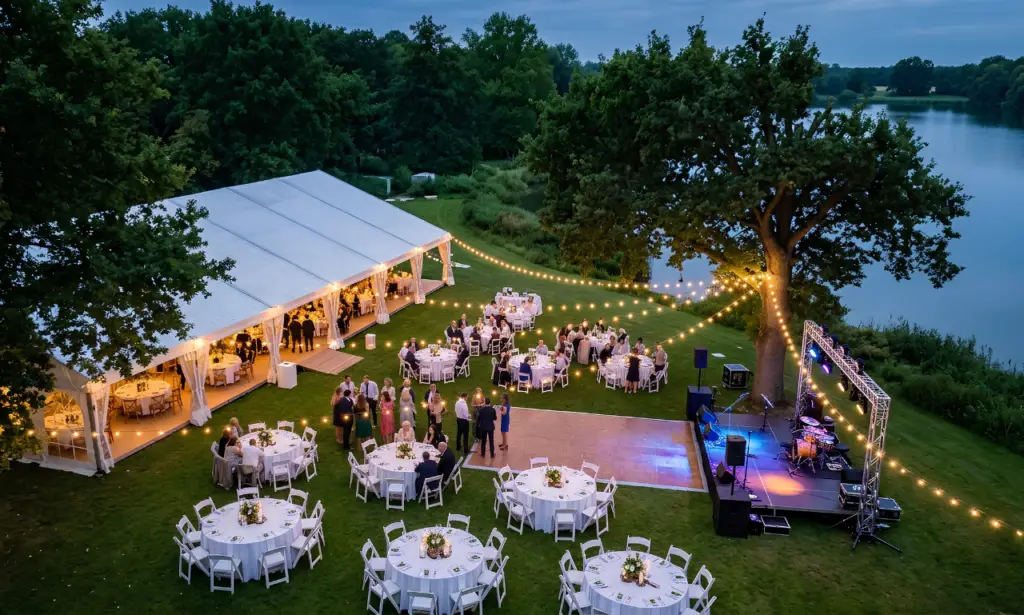
For example, a private party with basic lighting, a small PA, and catering may be well served by a compact temporary power setup. A festival with multiple stages, food vendors, production offices, and overnight refrigeration may need separate power zones, backup capacity for critical services, and a crew available during operating hours. Both require planning. They do not require the same plan.
The Information That Makes a Calculation Accurate
A good calculation begins early, ideally when the event layout and supplier list are still being finalized. Last-minute additions are common, but the earlier the power requirements are known, the easier it is to allocate equipment and avoid changes on site.
The most useful starting point is a full equipment schedule. That should cover production equipment, catering, structures, vendors, site amenities, and anything being brought in by another supplier. Manufacturer ratings are helpful, but actual use matters too. A lighting package may have a stated maximum draw while operating at a lower average level. A coffee cart may have several appliances that are unlikely to run at the same moment, or they may be in constant use through a busy service window.
Site details matter just as much. Is grid power available, and has its capacity been confirmed? Where are existing outlets located? Is the event indoors, outdoors, or spread across several zones? Are cables crossing public areas, access roads, or emergency paths? Will generators need to sit away from guests because of noise, exhaust, or access requirements?
Timing is another factor. A wedding may have a brief peak during dinner service, then a separate peak once the band and dance floor lighting start. A festival may have its highest demand during evening programming, while refrigeration and security lighting continue overnight. The load calculation needs to reflect those real operating periods, not just a single total on a spreadsheet.
How the Power Plan Comes Together
The first step is to confirm the event brief: date, location, guest numbers, site access, program, and the equipment expected on site. This identifies whether temporary power is required at all and where the critical demand sits.
Next comes equipment allocation. Each power-consuming item is logged against its expected demand and connection requirements. Equipment is grouped by area and function, such as stage, bar, kitchen, vendor village, marquee, or site operations. This prevents the common mistake of treating the whole event as one undifferentiated load.
Then the system is sized and distributed. That may mean selecting a generator, assigning circuits, balancing three-phase loads, and planning cable routes that suit the site. It may also mean separating critical loads from non-critical ones. Sound and safety lighting should not be competing for the same circuit as a food vendor’s hot-water unit.
Finally, the setup is installed and tested. Connections, protection, and distribution should be checked before doors open. Where the event is more complex, technical support during operation gives the team a point of contact if requirements change or an issue needs attention.
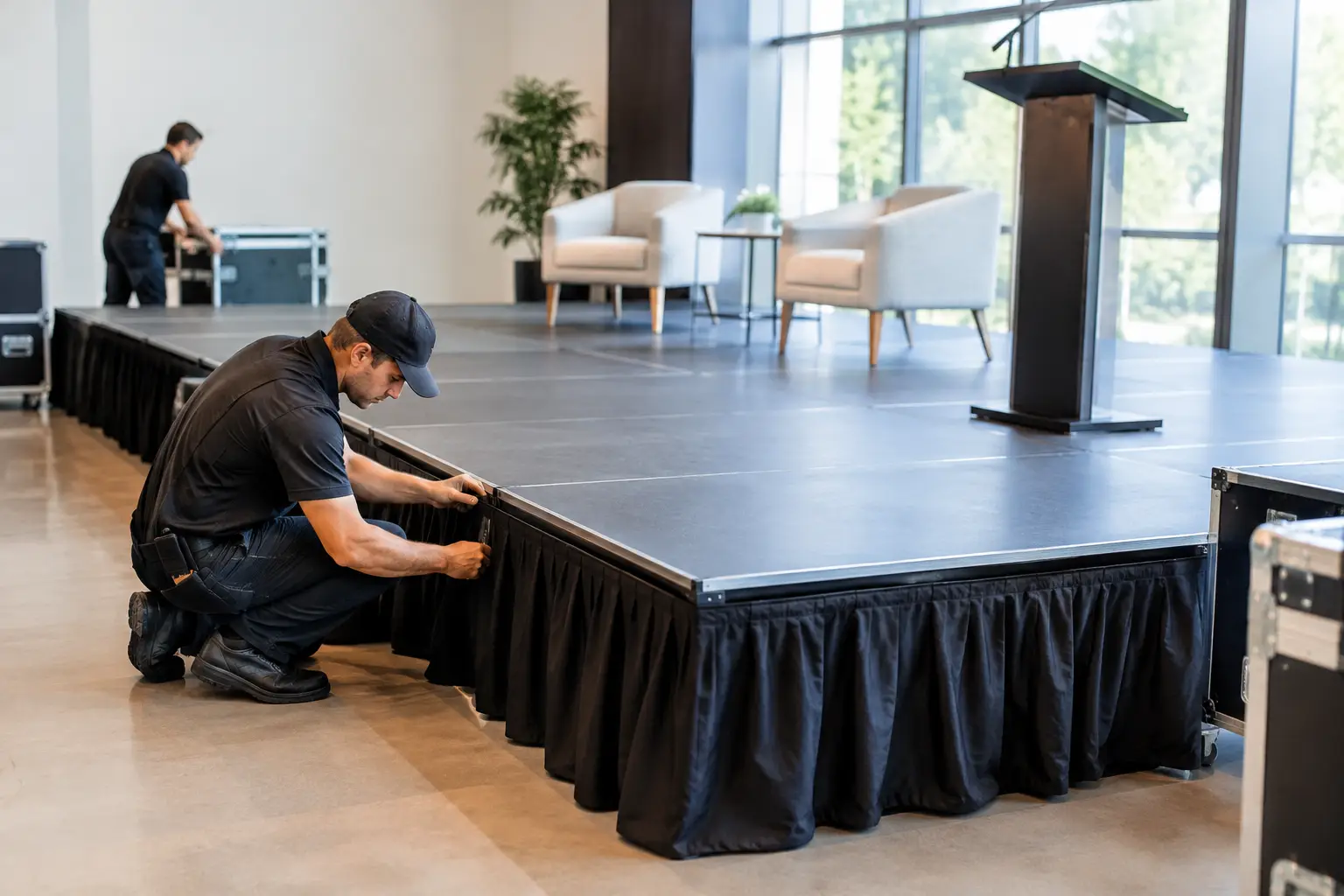
At Zero Three Party & Event Hire, this planning can sit alongside staging, sound, lighting, marquees, furniture, and site infrastructure. One coordinated booking process helps reduce the gaps that occur when each supplier assumes someone else is handling power.
Common Gaps That Need Attention Early
Temporary power plans often go wrong because a late addition is treated as a small detail. It may be a caterer bringing an extra oven, a sponsor activating with refrigerated displays, or a performer arriving with equipment that was not included in the original technical requirements. Every addition needs to be checked against the available capacity and circuit plan.
Another issue is relying on unverified venue power. A wall outlet is not a guarantee that it can support event production, catering, and guest services at the same time. Existing supply should be assessed by a qualified professional before it becomes part of the plan.
Weather and ground conditions can also change the installation approach. Outdoor cable routes need protection from foot traffic, vehicle movements, and moisture. Generator placement needs clear access for delivery, safe ventilation, practical refueling arrangements when required, and consideration for nearby neighbors or residential curfews.
When You Need More Than a Basic Calculation
Smaller events still benefit from a clear equipment check, especially when power is being used beyond standard household demand. A more detailed event load calculation service is particularly valuable when the site has no reliable mains power, multiple suppliers are connecting equipment, or the event includes production systems that cannot lose power mid-show.
It is also worth bringing the calculation into permit and compliance discussions early. Councils, venues, land managers, and event stakeholders may require details about generator placement, cable management, electrical safety, and emergency access. Planning these elements together avoids a scramble during final approvals.
If the brief is still changing, that is normal. The practical approach is to confirm the known loads, allow sensible capacity for approved additions, and keep one person accountable for reviewing changes. Tell your provider what is being added before it arrives on site, not after a circuit trips.
A well-planned power system should stay in the background. Guests hear the speeches, see the lighting, enjoy the meal, and never have to think about what is running behind the scenes. That is the standard worth planning for.