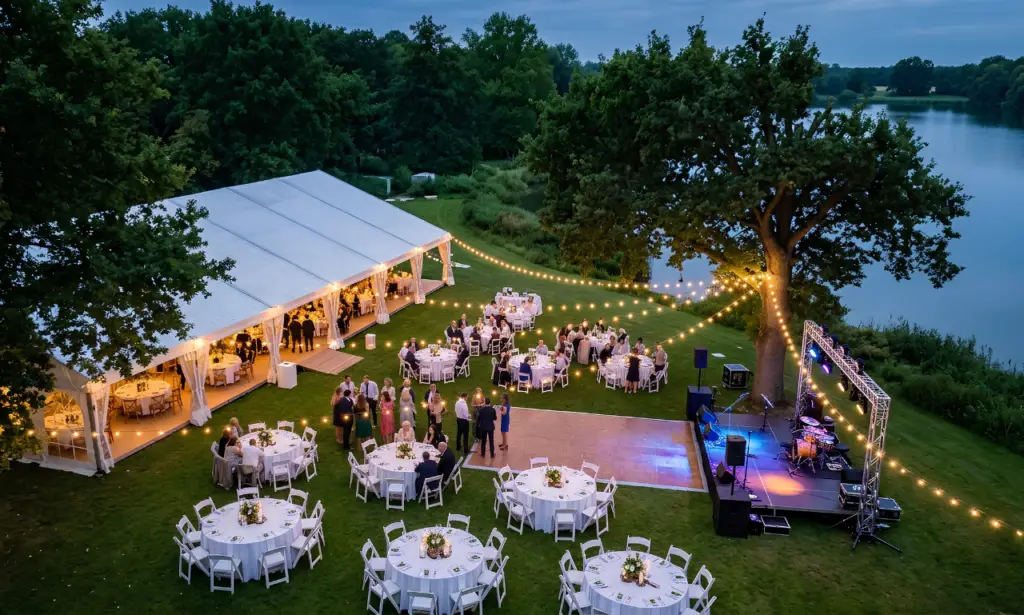

A tent can make an outdoor event feel planned, protected, and properly hosted. It can also become the biggest source of last-minute stress if the structure is too small, poorly suited to the site, or quoted without the practical extras. A useful tent hire comparison looks beyond the roof itself. You need to compare the structure, the ground conditions, weather plan, installation access, and the equipment that has to sit underneath it.
For a backyard birthday, that may mean a clean, dry space for guests and catering. For a wedding, corporate launch, or festival, it may mean coordinating flooring, lighting, furniture, staging, power, permits, and safe public access. The right tent is the one that works with the whole event plan, not just the guest count.
Start Your Tent Hire Comparison With the Event Layout
The first question is not “What size tent do I need?” It is “What needs to happen under it?” A seated dinner, cocktail party, ceremony, trade display, dance floor, bar service, green room, or registration area all use space differently.
A seated event needs clearance around tables, chairs, serving paths, and exits. A cocktail-style event can fit more people into the same footprint, but only if there is enough room around bars and food stations. If guests are expected to stand under cover during rain, do not size the tent only for the seating plan. Allow room for everyone to move inside comfortably.
A strong quote should be based on a basic site layout. It should identify tent position, entrances, table plan, catering zone, dance floor, stage, restrooms, and vehicle access. This is where a lower tent price can stop looking like better value. If the tent does not accommodate the actual floor plan, you may end up hiring a second structure or rearranging the event on the day.
Think in zones, not just square footage
Separate functions where possible. A ceremony tent, dining tent, and service tent may work better than one oversized structure, particularly on a narrow site or a venue with existing trees and buildings. Multiple zones also make it easier to manage noise, catering movement, and guest flow.
One larger structure can be the better choice when guests need to move freely between dinner, speeches, and dancing. There is no universal answer. The site and schedule decide it.
Compare Tent Types by Site and Weather Exposure
Not every tent is designed for every job. The most suitable option depends on the surface, wind exposure, duration of the event, and the finish you want guests to experience.
A frame tent is often a practical option for smaller to mid-sized gatherings. It has no center poles, which keeps the internal area clear for tables and activities. It can suit driveways, lawns, courtyards, and tighter spaces, provided the site allows for safe anchoring or weighted installation.
A pole tent creates a classic peaked profile and can be an attractive choice for lawns, weddings, and relaxed outdoor celebrations. The trade-off is the internal pole layout and the need for appropriate ground anchoring. It is not the best fit for every hardstand site or every seating configuration.
Clear-span structures are built for larger event footprints and more demanding production requirements. They can accommodate staging, larger dining layouts, exhibition areas, and technical equipment without interior support poles. They also require more planning: engineered specifications, site access, installation time, ballast or anchoring, and potentially permits or approvals.
When comparing options, ask what wind rating, anchoring method, and weather procedure apply to each structure. A tent is not simply weatherproof because it has walls. Wind, drainage, ground saturation, and access for emergency services all need consideration.
Sidewalls, Flooring, and Heating Change the Result
A basic tent quote is rarely the finished event environment. Sidewalls, flooring, lighting, and climate equipment can be the difference between guests staying comfortable and guests leaving early.
Sidewalls provide protection from rain and wind, but they need to be selected with ventilation in mind. Solid walls block weather. Clear walls preserve light and views. Window walls can provide a balance. On a warm day, fully enclosing a tent without airflow or cooling can make the space uncomfortable. On a cold or wet evening, an open-sided tent can feel unfinished even with heaters nearby.
Flooring is another decision that should be made early. Lawn can work for an informal daytime event in dry conditions. For formal dining, heels, accessible pathways, dancing, or wet-weather confidence, a stable floor is usually worth considering. It creates a level surface, protects the ground beneath high-traffic areas, and gives furniture a better base.
Heating should be sized for the tent volume and expected weather, not added as a token gesture. The same applies to lighting. Festoon lighting may create atmosphere, but it does not replace safe service lighting, emergency paths, or practical light for catering and bar teams.
Check What the Price Includes Before You Compare It
The cheapest line item is not always the lowest event cost. Ask each supplier to state what is included in writing: delivery, installation, collection, anchoring, sidewalls, weights, flooring, lighting, and any after-hours or difficult-access charges.
Also ask whether the quote includes a site inspection or is based on assumptions. A flat, open lawn with direct truck access is very different from a sloped backyard, rooftop, laneway, park reserve, or venue with restricted loading times. Stairs, narrow gates, underground services, irrigation, overhead power lines, and soft ground can all affect the installation method and cost.
For public events or larger structures, the quote may also need to account for permits, engineering documentation, occupancy requirements, fire safety provisions, and compliance coordination. These are not optional details to settle after the tent arrives. They are part of delivering a structure that can be used safely.
Watch for gaps between suppliers
A tent provider may supply the structure while another company supplies furniture, power, staging, sound, and lighting. That approach can work well when an experienced event manager coordinates the handoffs. For a first-time host or a tight production schedule, fragmented bookings create more points of failure.
You need to know who is responsible for the final layout, cable paths, power load, lighting installation, and timing of each delivery. If the furniture arrives before flooring is installed, or the tent goes up after the AV crew needs access, the event schedule can quickly lose time.
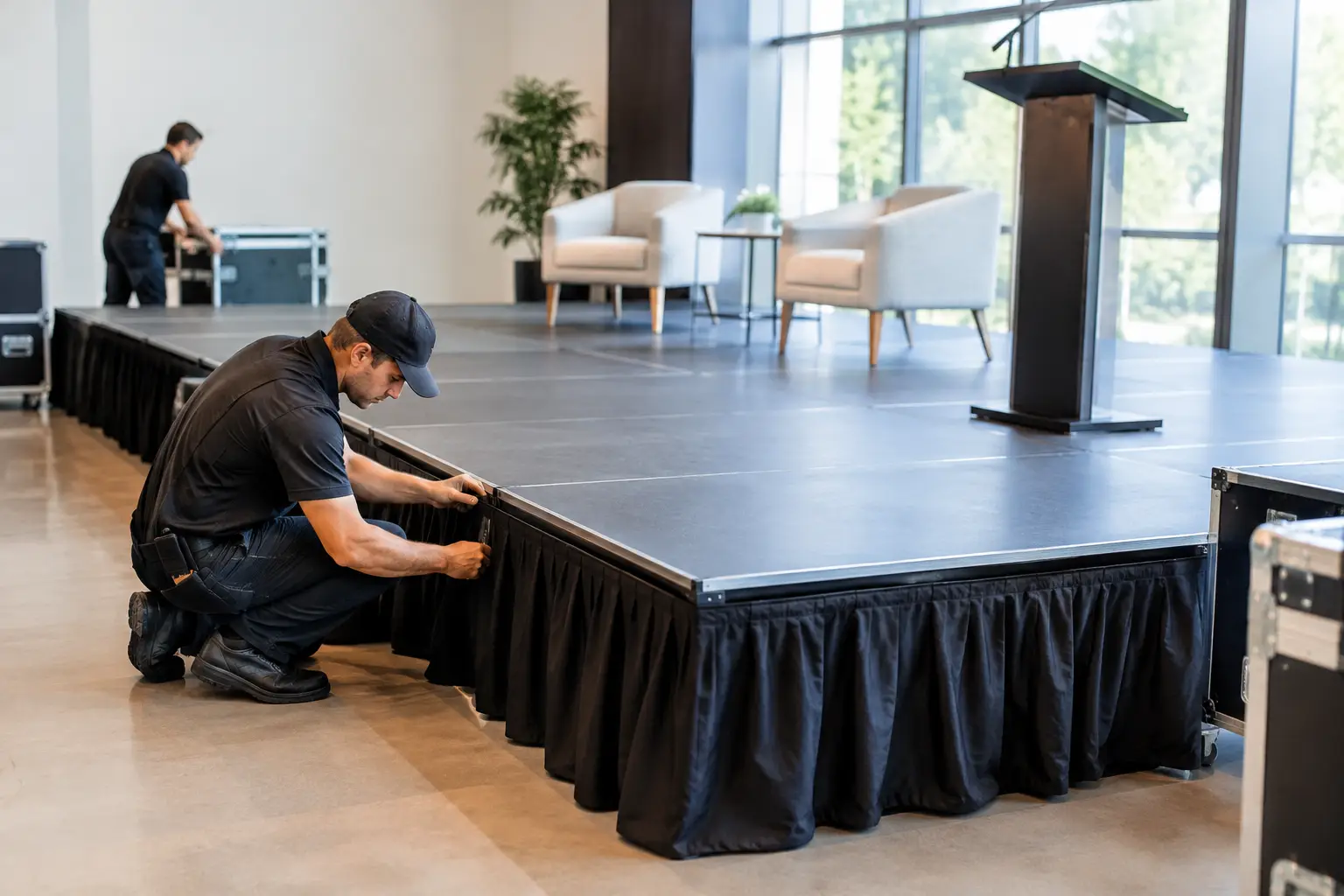
Zero Three Party & Event Hire can coordinate the guest-facing tent setup alongside staging, power, lighting, furniture, and production requirements through one booking process. That does not mean every event needs a large technical build. It means the supplier understands how the pieces affect one another.
Site Access Is a Safety Issue, Not a Minor Detail
Before confirming a tent, walk the route from the street to the installation area. Measure gates, note steps and slopes, and identify where trucks can park. Confirm whether equipment must cross neighboring property, pass through a building, or be carried a long distance by hand.
Then look up. Tree branches, balconies, overhead wiring, and uneven rooflines can affect tent placement. Look down as well. Drainage pits, sprinkler systems, underground utilities, and soft or recently watered ground may limit staking and vehicle movement.
A professional crew will ask direct questions because site conditions influence the structure, installation method, labor, and safety plan. Clear information upfront is faster and less expensive than changing the setup after equipment has arrived.
Plan for Bad Weather Without Designing for Disaster
A weather plan should be proportionate to the event. A casual afternoon party may need sidewalls held on standby and a clear plan to move food service under cover. A wedding with a fixed ceremony time may need a fully usable wet-weather layout from the start. A multi-day public event needs a more formal plan for wind, rain, electrical equipment, site drainage, and operational decisions.
Do not assume that a tent removes every weather risk. Extreme wind can require sections to be closed, cleared, or not used. Heavy rain can affect access and surrounding ground. Heat can require ventilation, fans, cooling, shaded waiting areas, and drinking water. A capable supplier will explain the operating limits rather than promising that any structure can handle any condition.
The Best Choice Is the One With a Clear Delivery Plan
A tent should arrive as part of a workable sequence: site access confirmed, structure installed, flooring and lighting completed, furniture positioned, technical equipment tested, and the space handed over ready for guests. Pack-down matters too, especially for venues with strict collection windows or residential sites where late-night work is limited.
When you request quotes, provide the date, location, guest count, event format, access details, and a short list of what needs to happen under cover. Include photos or a site plan if you have them. That gives the hire team enough information to recommend a structure that fits the event rather than simply filling a patch of ground.
A good tent should fade into the background once guests arrive. They notice the comfort, the atmosphere, and the fact that the event keeps moving when the weather changes. That is the standard worth comparing.