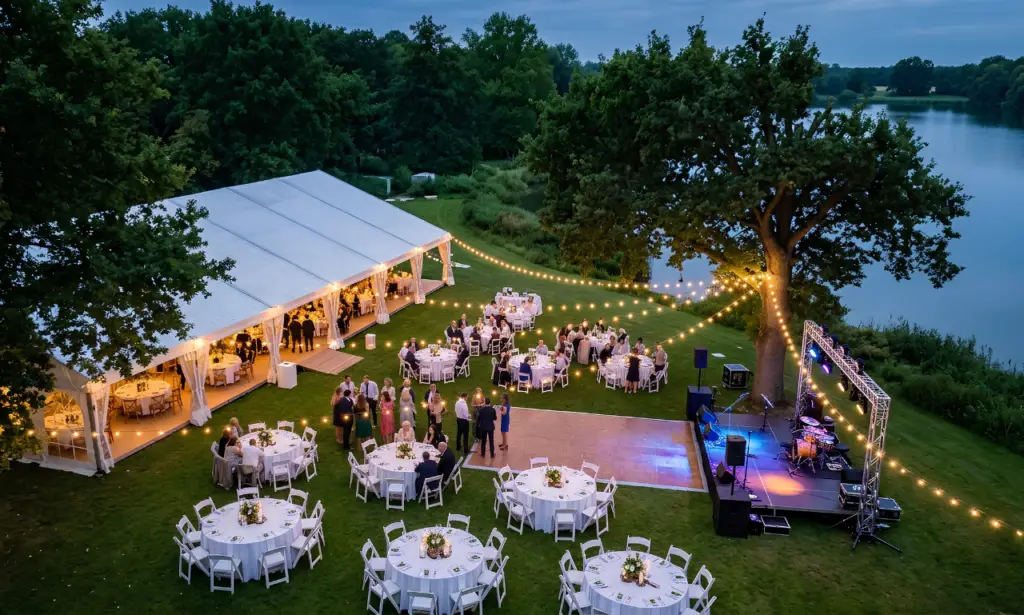
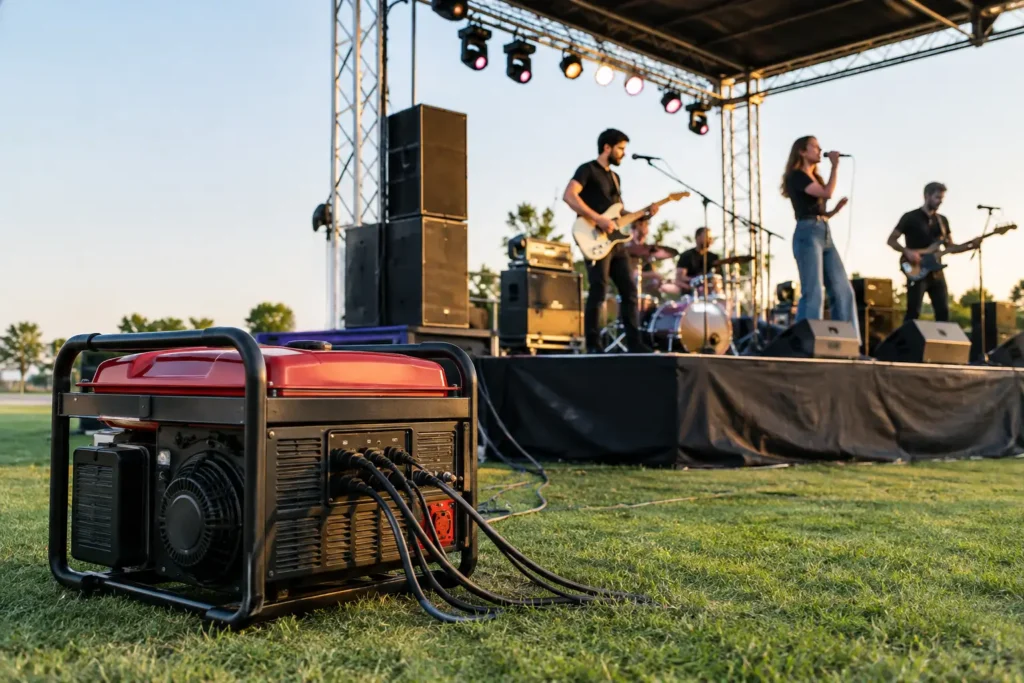
A band is halfway through the headline set, the crowd is up, and the guitarist hits a chorus pedal. Then the PA cuts out. It is rarely the generator alone that causes that moment. More often, the issue is an undersized unit, a poor distribution plan, a shared circuit, or a generator placed where its noise reaches the audience. Can generators power live bands? Absolutely. But live music needs planned, clean, properly distributed power, not just a generator dropped behind the stage.
Can Generators Power Live Bands Reliably?
A generator can run a live band, from a solo performer with a small PA to a full outdoor festival stage. The right setup depends on the total electrical load, the type of equipment, the size of the site, and how much headroom the system needs when the show gets loud.
Sound equipment does not draw the same amount of power every second. Amplifiers, powered speakers, lighting fixtures, and video equipment can all have higher short-term demand at startup or during peaks. A generator that appears adequate on paper can struggle when the bass drops, stage lighting comes online, or refrigeration and catering equipment are plugged into the same supply.
That is why the goal is not to find the smallest generator that can technically run the equipment. The goal is to provide enough stable capacity for the show, with room for changes, startup loads, and safe separation between systems.
For a backyard acoustic set, a compact, quiet inverter generator may be enough. For a wedding band with subs, monitors, backline, and dance-floor lighting, the requirement can move quickly into professional event-power territory. A multi-stage festival needs formal load calculations, power distribution, cable protection, backup planning, and a crew that can respond if conditions change.
Start With the Actual Load, Not the Guest Count
Guest numbers help estimate the scale of the event, but they do not tell you what the band will draw. The equipment list does.
Ask the performer, production manager, or AV supplier for a stage plot and power requirements. The list should cover front-of-house sound, monitor world, powered speakers, amplifiers, digital consoles, wireless systems, instruments, backline, lighting, LED walls, effects, and any production equipment near the stage. Include practical site loads too, such as dressing room lighting, phone charging stations, catering, and vendor power.
Power is usually discussed in watts, amps, kilowatts, or kVA. These are related but not interchangeable without context. Generator capacity is commonly rated in kVA, while equipment may show wattage or amperage on its label. A production team converts those figures correctly, considers power factor where relevant, and checks how loads will be balanced across circuits and phases.
As a simple starting point, add the expected running loads, then allow meaningful spare capacity. A system routinely operating close to its limit has little tolerance for startup demand or last-minute additions. In many live-event applications, planning for roughly 20 to 30 percent headroom is sensible, though the right margin depends on the generator, equipment, and load profile.
Do not assume a speaker’s maximum label rating equals its normal electrical draw. At the same time, do not use optimistic estimates to force a small generator into a large show. A proper calculation uses manufacturer data and real operating conditions.
Keep Audio Power Separate From the Rest of the Site
The cleanest-looking event can become difficult to manage when every supplier plugs into one generator. Audio, lighting, food vendors, bar refrigeration, rides, tents, and site amenities have different demand patterns. They should not automatically share circuits or even the same generator.
A common approach is to allocate dedicated power for critical production equipment and separate supplies for variable or non-critical loads. That means the band is less exposed to voltage fluctuations caused by a coffee machine cycling on or a food truck drawing a heavy load. It also makes fault-finding faster if something trips during the event.
For larger shows, a distribution board splits generator output into protected circuits for specific departments. The audio team knows which outlets belong to front-of-house, monitors, and stage backline. Lighting has its own allocation. Catering and site services are kept away from show-critical power.
This is where cable management matters. Power cables need to be rated for the load, routed away from public walkways where possible, and protected with cable ramps where crossings cannot be avoided. Connections should remain dry, secure, and accessible to the technical team, not hidden under décor or buried behind temporary furniture.
Generator Quality and Placement Affect the Performance
A generator that supplies inconsistent voltage or frequency can create audible hum, digital-console errors, equipment resets, and unreliable wireless performance. Professional event generators are selected and maintained for this kind of work. They are not the same as a small domestic unit intended to run occasional tools.
Noise is just as important. A generator may be electrically capable yet still be wrong for a wedding ceremony, corporate presentation, or intimate live set. Quiet-running units help, but placement still does most of the work. Position the generator well away from the stage, audience, dining area, and neighboring properties, while allowing a safe cable route and access for refueling or service.
Wind direction, site levels, buildings, and temporary structures can all carry or reflect sound. Test the location before guests arrive. What sounds acceptable beside the generator may be obvious at the rear of a marquee.
Generators also need ventilation and clear space around them. They cannot be enclosed in a tent, placed near flammable materials, or positioned where exhaust can enter occupied areas. Outdoor events may also require grounding arrangements, weather protection, traffic controls, and local permits depending on the site and generator size.
Plan for the Moment Something Changes
Live events rarely stay exactly as drawn. A client adds festoon lighting. A band brings another amplifier. A vendor arrives with an appliance that was not on the original plan. These changes are manageable when there is capacity and a nominated person overseeing power. They become risky when people plug in wherever they find an outlet.
Before doors open, the power system should be installed, tested, and clearly allocated. The band and sound engineer should complete a soundcheck while the lighting system is operating. If catering, bars, or other high-demand equipment will run during the set, test under conditions close to the event schedule.
For higher-stakes events, consider redundancy. A backup generator, changeover arrangement, or separate essential-power system can protect a headline performance from a single point of failure. The level of backup should match the consequence of downtime. A small private party may only need a sensible contingency plan. A ticketed festival, brand launch, or major corporate event may need a more formal solution.
Fuel planning also deserves attention. Generator run time varies with load, tank size, and operating conditions. Plan for the full event window, including setup, soundcheck, doors, performance, and pack-down if required. Refueling during a live show is possible only when managed safely by qualified personnel and with the right equipment.
What a Band Power Plan Should Include
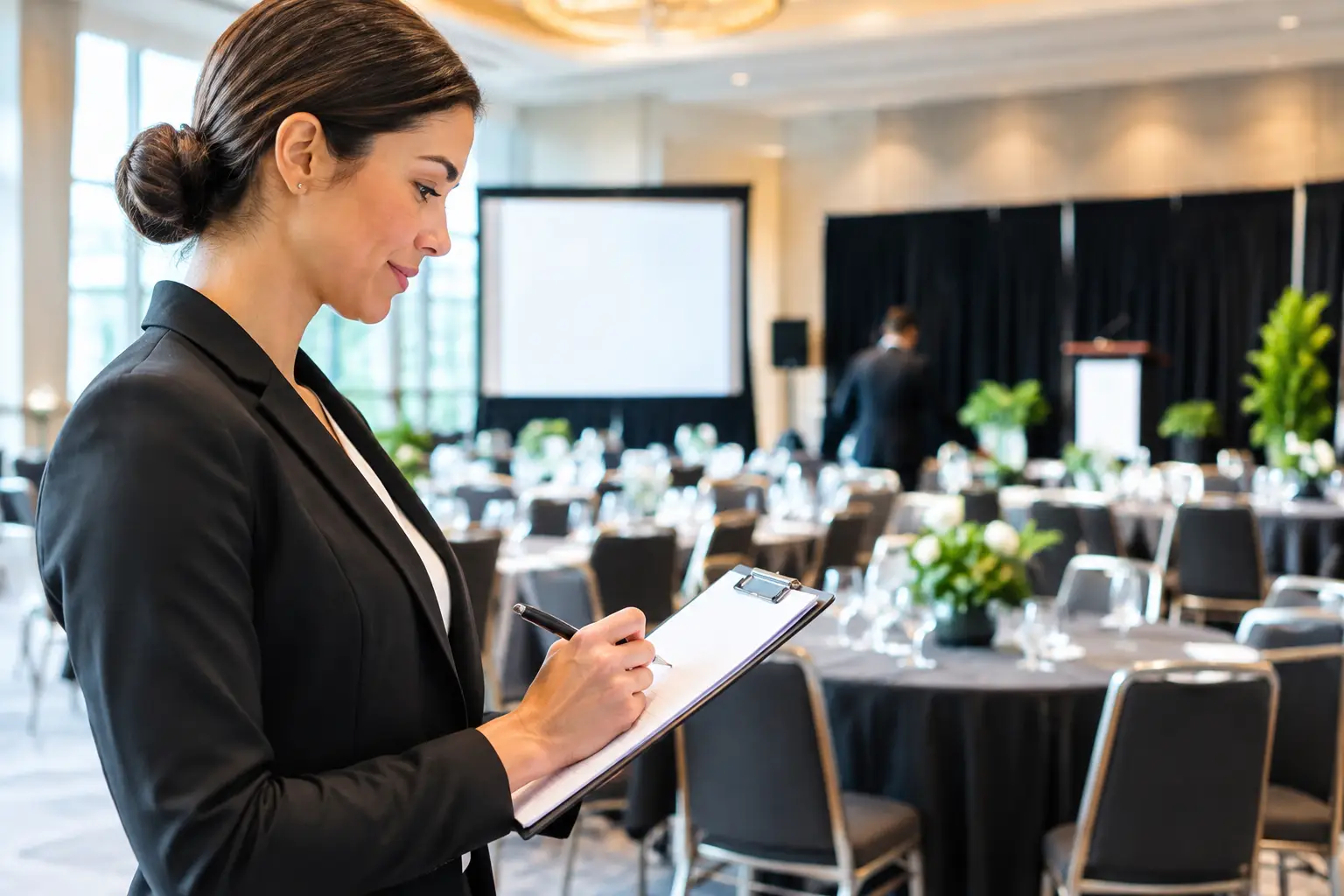
A useful band power plan is not a complicated document for its own sake. It is a clear agreement about what is being powered, where it will connect, and who is responsible on show day. For a simple event, that may be a confirmed equipment list, generator size, cable route, and soundcheck time. For a larger site, it should also define distribution boards, circuit allocations, cable protection, generator placement, fuel, emergency access, and backup arrangements.
The band should know whether the supply is standard single-phase power or a larger three-phase distribution system. They should also know what outlets are available at stage and whether any equipment has special requirements. Surprises create workarounds. Workarounds create risk.
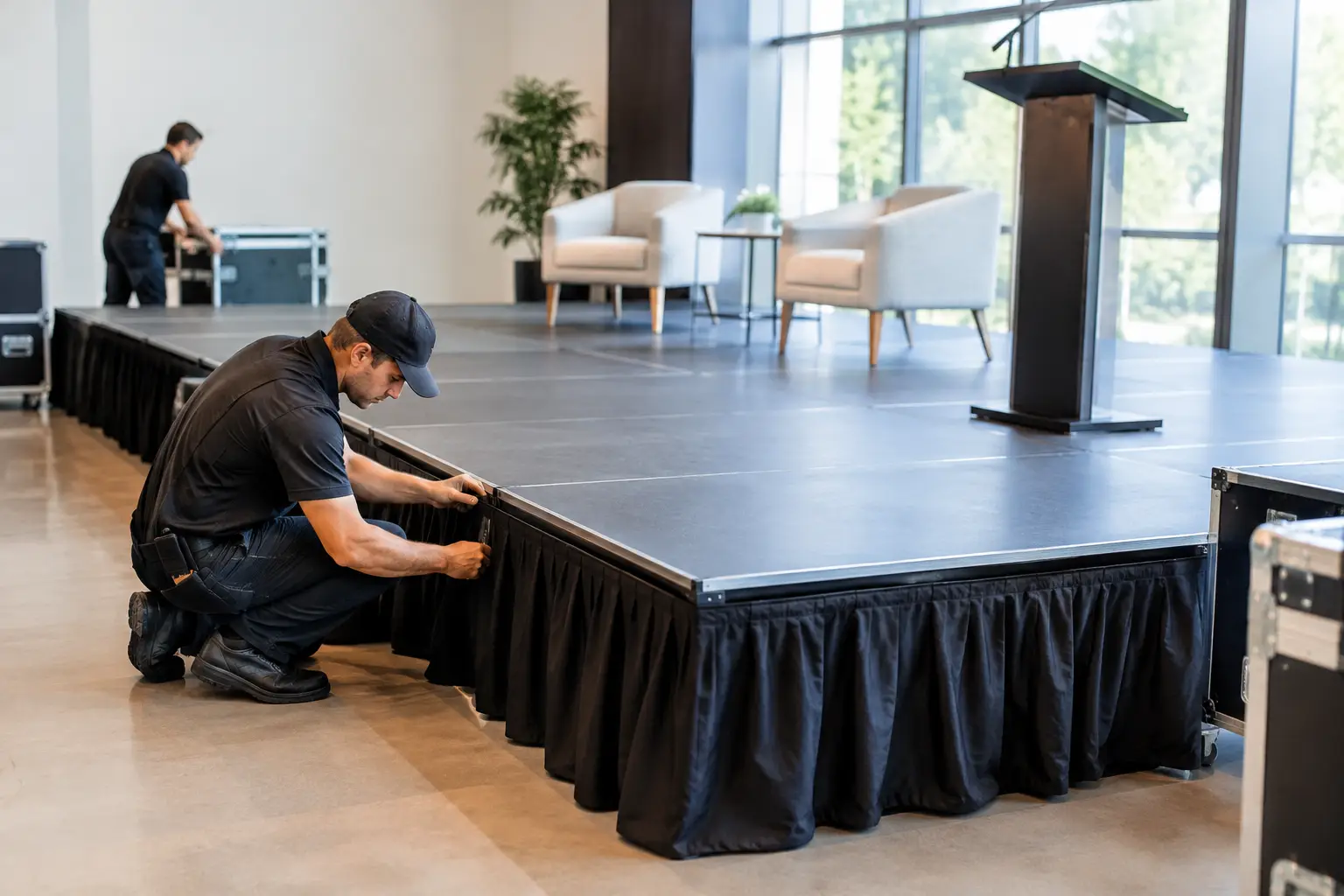
At Zero Three Party & Event Hire, this planning can sit alongside staging, sound, lighting, marquees, furniture, and site setup, so the generator is not treated as a separate last-minute item. One coordinated plan makes it easier to keep technical power, guest areas, and delivery access working together.
When a Generator Is Not the Best Answer
If the venue has reliable mains power with enough dedicated capacity, using that supply may be simpler and quieter. But venue outlets still need checking. A standard wall outlet is not automatically suitable for a professional PA, lighting package, and full band. Confirm the available circuits, breaker capacity, outlet type, and whether other venue loads share the supply.
Battery systems can suit low-load, short-duration applications where silence is critical, such as a ceremony speaker and microphone setup. They are not yet a universal replacement for generators on high-demand live music sites, particularly where large sound systems, lighting, or long operating hours are involved. Hybrid approaches can work well when designed around the actual load.
The right question is not whether a generator can power a band. It is whether the full event power plan protects the performance, the audience, and the site. Share the band’s technical requirements early, leave room for the unexpected, and make power one of the first production decisions rather than the last.