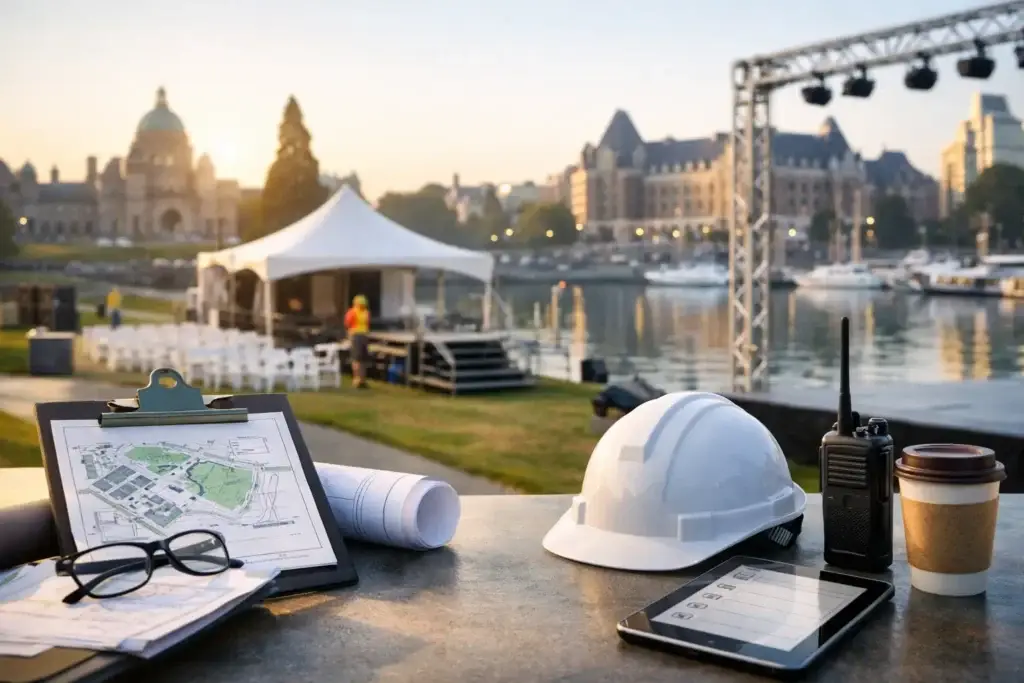
A permit issue can stop an otherwise well-planned event before the first guest arrives. Event permit support Victoria is about getting the right information in front of the right authority early, then making sure the site plan, equipment, power, and event operations match what has been approved.
For a backyard birthday, the process may be simple. For a wedding on public land, a school formal, a street activation, or a regional festival, there can be several approvals and documents moving at once. The practical goal is not paperwork for its own sake. It is a safe site, a clear setup plan, and no avoidable surprises on event day.
Why event permit support in Victoria needs an early start
Permit requirements depend on where the event is held, who owns or manages the land, the expected attendance, and what is being installed. A private property event with a small marquee may only need sensible site planning. An event in a park, on a foreshore, in a council space, or near a road may involve the local council, land manager, traffic authority, or other stakeholders.
The event format matters just as much. Live music, amplified sound, food vendors, alcohol service, temporary fencing, generators, elevated stages, and large marquees can each create additional questions. Some will require separate permits. Others may require supporting documents, such as site plans, risk assessments, public liability details, electrical information, or engineering documentation.
The trade-off is straightforward. Leaving plans flexible for too long can feel easier at the start, but it often creates expensive changes later. A stage footprint that has to shrink, a generator that needs to move, or a marquee layout that blocks an emergency access path can affect the whole run sheet. Early planning gives organizers more options and more time to make sensible adjustments.
Permit support is coordination, not a promise of approval
A good support process starts by identifying the event authority and the information it needs. No two councils or venues handle events in exactly the same way, so there is no single permit checklist that fits every Victorian event.
Permit support can help bring together the operational pieces that sit behind an application. That may include a draft site layout, equipment dimensions, staging and structure details, power requirements, delivery access, installation timing, and pack-down arrangements. It can also flag issues that need to be clarified with the venue or permit issuer before equipment is locked in.
The organizer or permit applicant remains responsible for submitting accurate information and meeting approval conditions. That distinction matters. Support can make the process more organized, but a supplier cannot guarantee that a council, land manager, or venue will approve an event. Approval timeframes also vary, particularly around busy summer periods and major public events.
Start with the site, not the hire list
It is tempting to begin with furniture counts, lighting choices, or the size of the dance floor. Those decisions matter, but the site should lead the plan. Before confirming a structure, stage, or power package, establish the usable event area, vehicle access, ground conditions, nearby services, and public movement paths.
A site plan should show more than where guests will sit. It needs to account for entry and exit points, emergency access, toilets, catering, storage, waste, generators, cable routes, fencing, and crew working areas. For public events, it may also need to show queuing, security positions, accessible access, and how pedestrians move around the site.
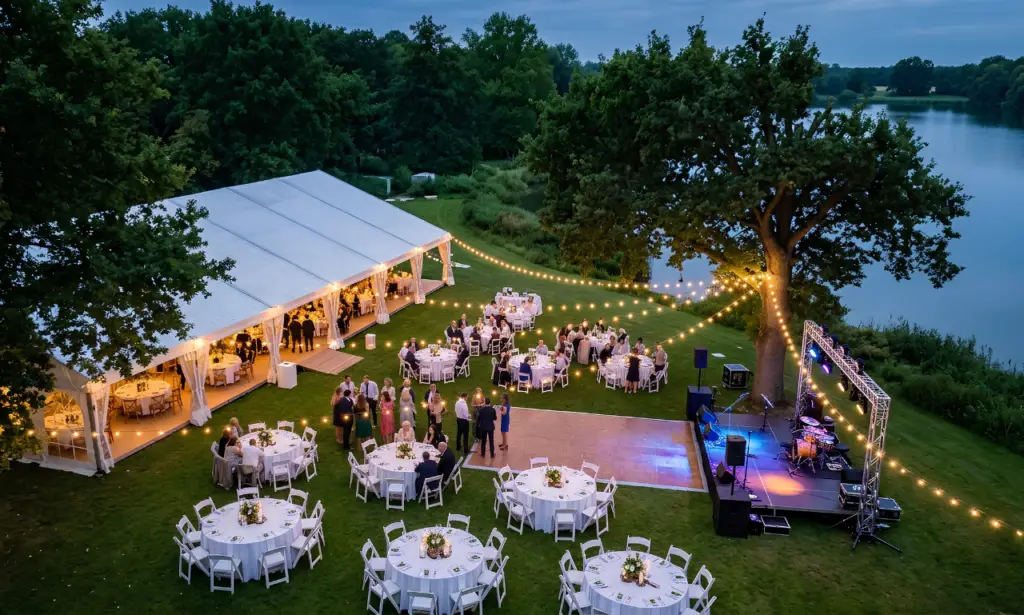
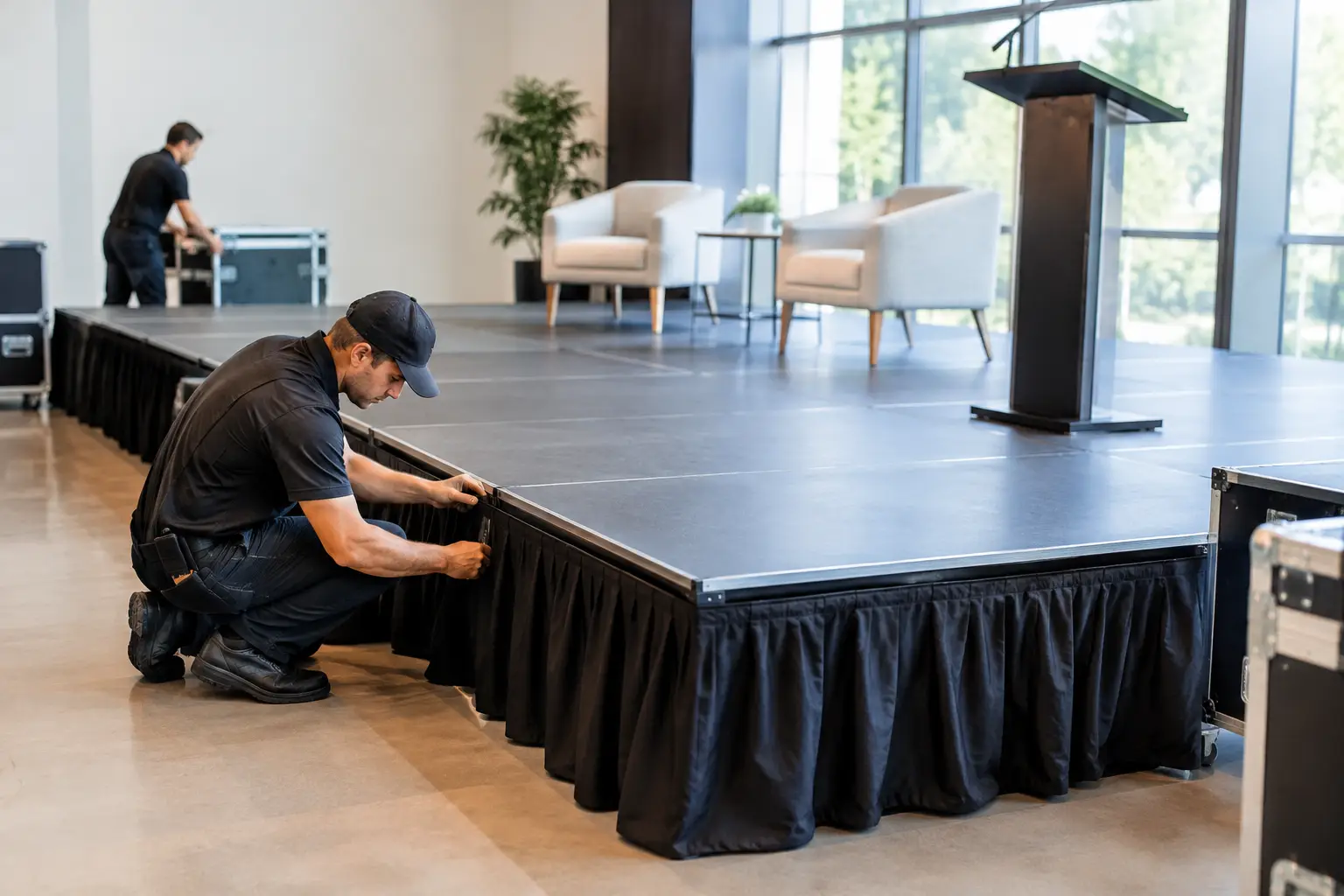
This is where equipment selection becomes practical rather than purely visual. A larger marquee may provide better weather protection, but it needs enough clear space, appropriate anchoring options, and safe access around it. A stage may suit the program, but its height, location, and loading requirements need to work with audience sightlines, speaker placement, and emergency egress.
If the ground is uneven, soft, heritage-sensitive, or difficult to access, say so early. These details affect delivery vehicles, ballast requirements, flooring, cable protection, and installation time. A quick site walk or a set of clear photos can prevent a lot of guessing.
Build the permit pack around real event operations
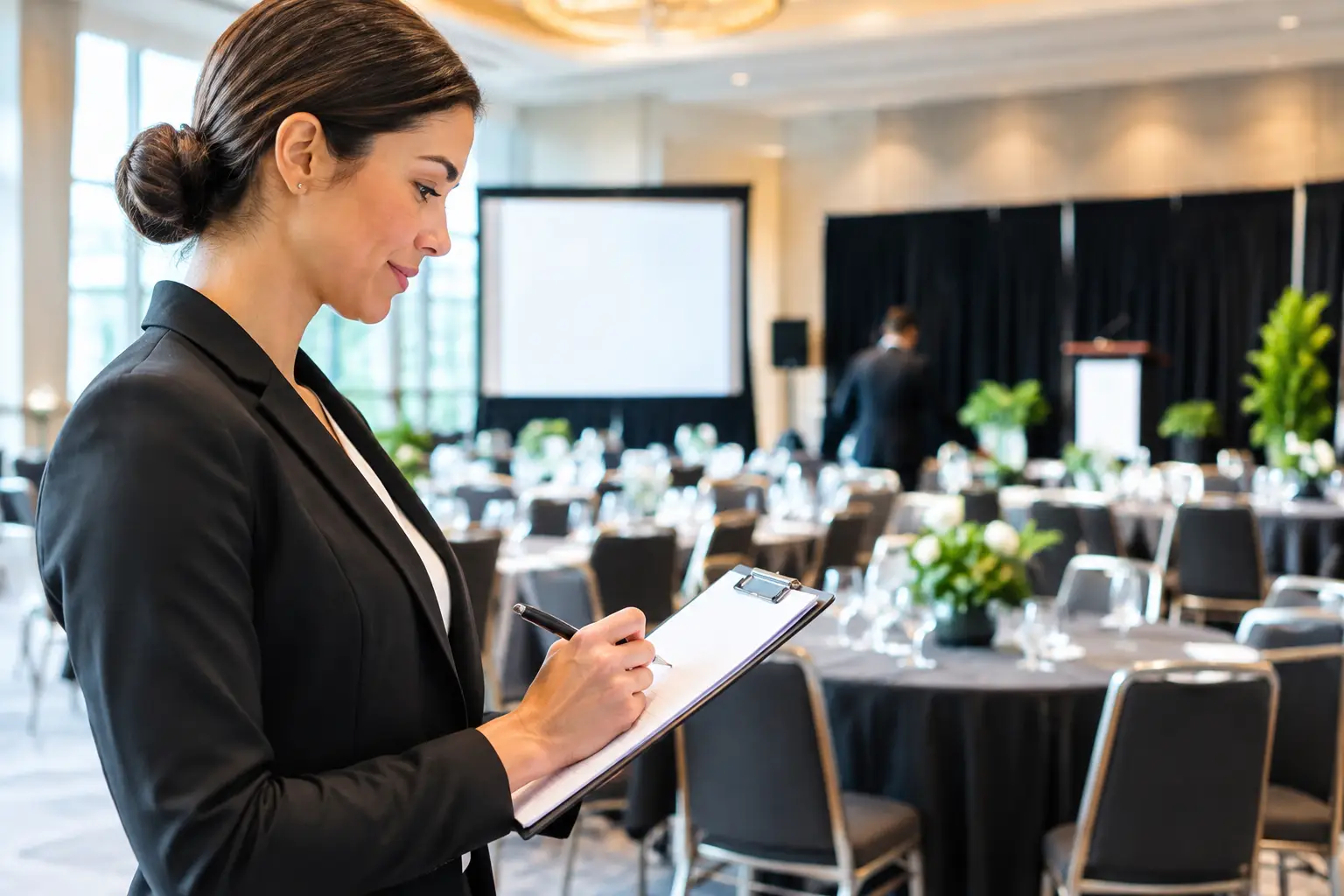
The strongest applications reflect how the event will actually run. A generic document that does not match the final site layout is likely to create delays or questions. Once the event footprint is taking shape, organizers should bring the core information into one working plan.
For many events, that plan includes:
- A scaled site layout showing structures, access points, amenities, emergency routes, and key equipment
- Event timings for bump-in, public access, entertainment, bump-out, and any noise-sensitive periods
- Structure, staging, rigging, and flooring information where relevant
- A power plan covering supply, generators, distribution, cable routes, and licensed electrical work
- Risk, emergency, traffic, crowd, food, liquor, and security documents where the event scope calls for them
Not every event needs every item. A 40-person engagement party and a multi-day community festival should not be treated the same way. The point is to match the documentation to the actual scale, risks, and conditions of the event.
Power, structures, and access are common pressure points
Power is often underestimated because it is mostly invisible once the event is running. Yet it can affect permits, safety planning, noise management, and site access. A power calculation should consider not only lighting and sound, but catering equipment, refrigeration, heating, AV, vendor needs, charging, and the starting load of larger appliances.
A generator needs a suitable location with ventilation, separation from guests, fuel management, cable protection, and room for delivery and collection. It may also need sound consideration, particularly for weddings, residential events, or events with nearby neighbors. The right generator is not automatically the biggest one. It is the unit that meets the calculated load and site conditions without creating unnecessary noise, space, or cost issues.
Temporary structures need the same practical scrutiny. Marquees, stages, truss, lighting towers, and fencing must suit the location, weather exposure, ground type, and expected use. Ask early about underground services, trees, overhead lines, vehicle restrictions, and wind exposure. A site that looks open on a map can be very different when trucks, guests, catering, and emergency access all need space at the same time.
Keep one version of the plan
Late changes happen. Guest numbers move, a vendor drops out, rain becomes likely, or the entertainment program expands. The problem is not the change itself. The problem is when the change is made in one place but not reflected in the permit plan, supplier schedule, or crew brief.
Use one current site plan and one clear point of contact for updates. If a marquee moves, check the access route, lighting, power, furniture layout, and emergency path before confirming it. If the stage grows, revisit the load requirements, audience area, rigging, and cable runs. Small changes can have a knock-on effect across the site.
This is where a coordinated hire and production team can reduce friction. Zero Three Party & Event Hire can align guest-facing hire items with staging, structures, power, delivery, installation, and pack-down so the operational information is easier to keep consistent.
Give approvals time, then protect the approved plan
As soon as a venue or public site is being considered, ask what permits, notices, and lead times apply. Do not wait until invitations are out or suppliers are booked. Some authorities may need extra time to review road impacts, amplified sound, public land use, structures, or higher-risk activities.
Once conditions are issued, treat them as part of the event brief. Share relevant requirements with suppliers, contractors, volunteers, and venue contacts. On the day, keep the approved layout available, make sure access paths remain clear, and do not relocate equipment without checking the operational impact.
The best permit process is rarely dramatic. It gives everyone a clear site to work from, lets crews install safely, and allows guests to experience the event without seeing the planning effort behind it. Start with the date, location, and event scope, then build the infrastructure plan around what the site and approval conditions genuinely require.