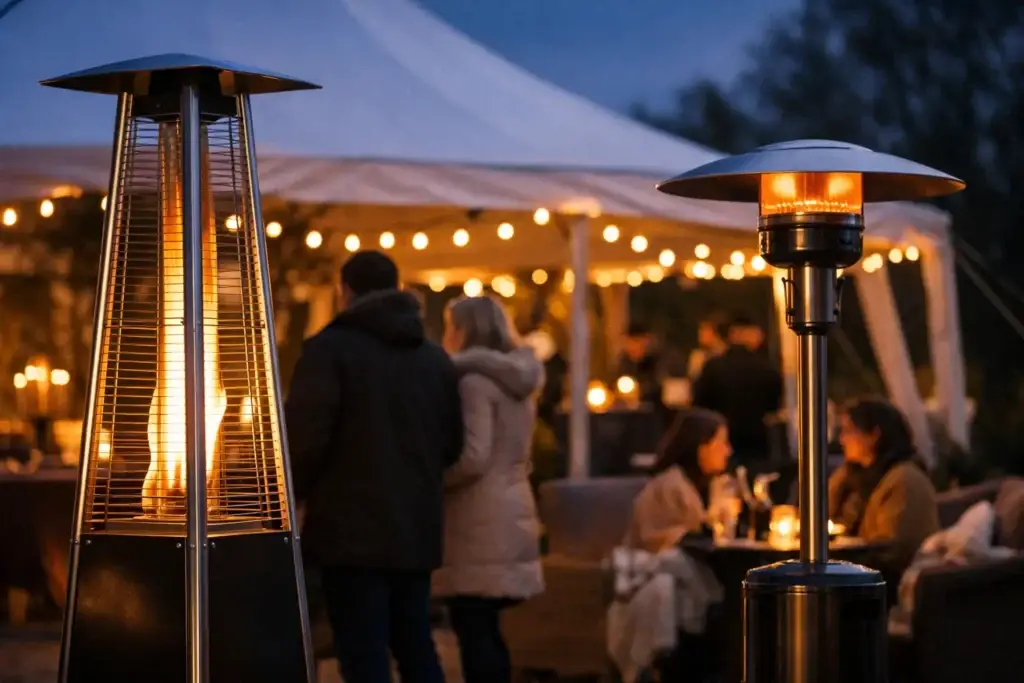
A Melbourne evening can feel perfect at 4 pm and surprisingly cold by the time speeches begin. Outdoor event heating hire is not an afterthought when guests are expected to stay outside after sunset. It affects where people gather, how long they stay, what they wear, and whether your carefully planned event feels welcoming or rushed.
The right heating plan is not simply a matter of ordering a few heaters. It starts with the space, the structure, the guest count, the weather exposure, and the running time. Get those details right early and the setup is safer, more comfortable, and easier to manage on the day.
Start With the Event Space, Not the Heater
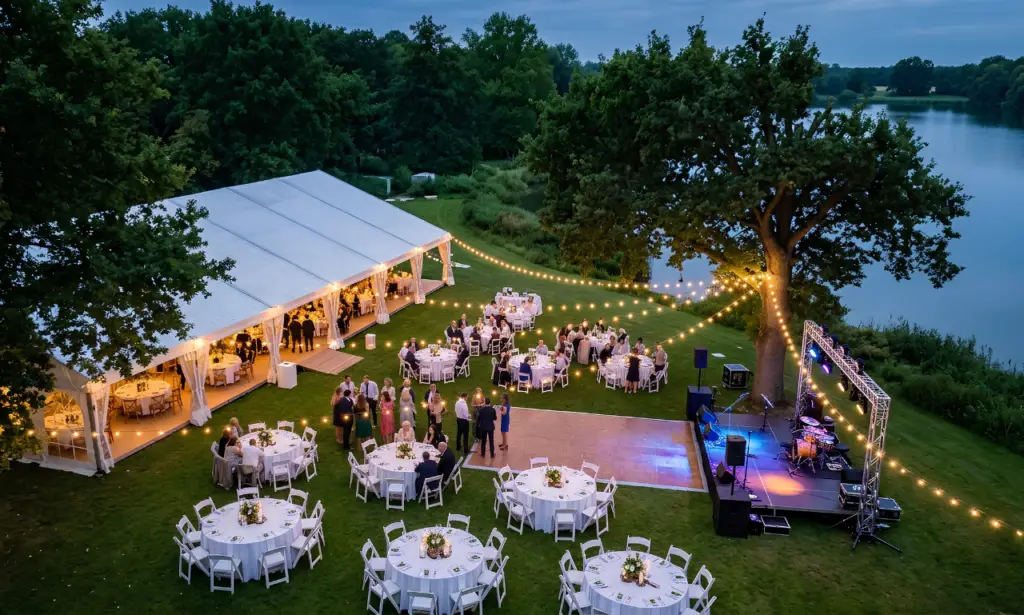
Before choosing equipment, look at where people will actually spend their time. A patio dinner, open paddock wedding, courtyard cocktail party, and fully enclosed marquee all lose heat differently. Wind direction matters. So does the height of the roof, the number of open sides, and whether guests are seated, standing, or moving between zones.
A heater that works well beside a bar may not do much for tables positioned 10 meters away. Likewise, a large heater placed near an entrance can lose most of its warmth every time guests move through the space. Heating works best when it is planned around guest areas rather than placed wherever there happens to be room.
Think in zones. Your dining area, bar, lounge, registration point, backstage space, and catering area may each need a different approach. The goal is not to make the entire site hot. It is to keep the areas where people pause and socialize comfortably warm.
For an exposed site, a marquee, clear walls, or sidewalls can make a bigger difference than adding another heater. Reducing wind exposure helps retain warmth and can lower the amount of heating required. This is especially useful for regional weddings, school functions, and community events where weather conditions can change quickly.
Choosing the Right Outdoor Event Heating Hire
There is no single heater suited to every event. The best option depends on whether the area is open, covered, enclosed, or partially protected.
Radiant heaters are often a practical choice for outdoor and semi-covered spaces. They warm people and nearby surfaces directly rather than trying to heat the air. That makes them useful for patios, marquees with open sides, smoking areas, entry points, and standing cocktail spaces. Positioning is critical, since guests need to be within the heater’s effective range.
Freestanding gas patio heaters can provide visible warmth and a familiar look for social events. They are well suited to open-air zones with sufficient clearance and stable, level ground. They need thoughtful placement around traffic flow, furniture, and structures, and should never create a bottleneck at the bar or entrance.
Electric radiant heating can be a strong option where power is available and a cleaner, quieter setup is preferred. It can work particularly well for smaller covered spaces or areas where managing fuel cylinders is not practical. The trade-off is power demand. Multiple electric heaters can add a meaningful load, so they need to be included in the event power plan rather than plugged into the nearest available outlet.
Indirect ducted heating is often the better answer for larger enclosed marquees, production spaces, and events needing broader, more controlled warmth. The heat source can sit outside the guest area while warm air is ducted in. This approach can keep equipment, noise, and fuel away from guests, but it needs more planning, access space, and proper installation.
Fuel-burning heaters are not interchangeable with enclosed-event solutions. Ventilation requirements, manufacturer clearances, venue rules, and fire safety conditions must be checked before equipment is allocated. If a heater is unsuitable for the structure or site, changing the plan is always better than trying to make it fit.
Size the Heating Plan for Guests and Conditions
Guest count is a starting point, not the full calculation. A 60-person seated dinner in a walled marquee may need less heating than a 40-person cocktail event in an exposed garden. Seated guests feel cold sooner because they are not moving around. Guests in formalwear may also be less prepared for a sharp temperature drop than those at a casual backyard party.
Share the event date, suburb or regional location, start and finish times, estimated guest numbers, site photos, and marquee dimensions when requesting a quote. Include whether the venue has existing power, whether there are access restrictions, and whether the event will run into late evening. These details allow the equipment and layout to be matched to the real conditions.
It is worth planning for the coldest likely point of the event, not the temperature at setup. In Melbourne, that may mean a clear afternoon gives way to a windy night. If warmth only becomes a concern once guests are visibly uncomfortable, it is too late to fix with a last-minute delivery.
Build Safety Into the Layout
Heating equipment needs clear space. Keep it away from roof fabric, drapes, foliage, furniture, signage, exits, and pedestrian paths. Cables, gas cylinders, and ducting must be secured and positioned so they do not become trip hazards or block emergency access.
The layout should also account for staff movement. Caterers need access to tables and service areas. Photographers need clear sightlines. Guests should be able to move to the bar, bathrooms, and dance floor without squeezing around a heater. A well-positioned system is noticeable for its comfort, not because everyone has to navigate around it.
For larger events, heating should be considered alongside power, lighting, staging, and structure plans. Electric heating may change generator sizing and cable distribution. Ducted systems may need vehicle access and a protected external position. Marquee walls, exits, and fire equipment need to remain compliant throughout the event.
This is where one coordinated supplier can reduce friction. Zero Three Party & Event Hire can plan heating alongside marquees, furniture, lighting, power, and site setup, so equipment arrives on one schedule and the final layout works as a whole.
Do Not Leave Fuel and Power Until the Last Minute
A heater is only useful while it is operating. For gas equipment, confirm expected run time and allow for fuel use across the full event, including pre-event setup if the space needs warming before guests arrive. Longer events, colder conditions, and high-output equipment can all increase consumption.
For electric systems, confirm the available supply and avoid assuming a domestic circuit will handle the load. Heating, catering equipment, AV, festoon lighting, refrigeration, and charging stations can quickly add up. A proper load calculation helps prevent nuisance tripping and protects the event from avoidable interruptions.
If the site relies on generator power, heater demand needs to be included from the beginning. It is much easier to size power correctly before equipment is dispatched than to revise the plan after the marquee is built and guests are due to arrive.
Book Early for Winter Dates and Peak Weekends
Heating demand rises fast once colder weather arrives, particularly for Saturday weddings, end-of-financial-year functions, winter markets, and outdoor corporate activations. Booking early gives you more equipment choice and more time to assess the site properly.
It also allows for a practical weather contingency. You may decide to hold extra sidewalls, increase heating coverage, or adjust the furniture layout if the forecast turns wet or windy. The best contingency plans are built into the booking, not dependent on equipment being available at the last minute.
Ask who is responsible for delivery, placement, testing, monitoring, refueling where applicable, and pack-down. For a simple backyard gathering, delivery and clear operating instructions may be enough. For a large-format event, installed equipment and on-site support can be the safer, calmer option.
Warmth changes the pace of an outdoor event. Plan it as part of the guest experience from the first site layout, and people will remember the celebration instead of the temperature.