
A school formal can look effortless from the dance floor while requiring serious planning behind the scenes. The right school formal essentials do more than fill a room. They create a venue that feels polished, keeps students comfortable, gives staff clear sightlines, and supports the schedule from arrivals through the final song.
The best starting point is not a catalog of tables and lights. It is a clear event plan: guest numbers, venue access, formal program, food service, entertainment requirements, and the adults responsible for supervision. Once those pieces are known, equipment decisions become much easier.
Start With the Guest Journey
Think about how students will move through the event before selecting furniture or styling. They need an arrival point for photos and check-in, room to find friends without blocking entrances, seating for dinner, a clear path to the dance floor, and a straightforward exit at the end of the night.
For a sit-down formal, allow enough table spacing for students, catering staff, and supervisors to move safely. Packed tables may increase capacity, but they can make service slow and leave little room for formalwear, bags, or guests getting in and out of chairs. If the night includes a presentation, awards, or a formal entrance, protect a central viewing area rather than asking guests to turn around in their seats.
A cocktail-style setup can work well for shorter events or venues with limited floor space. It needs a deliberate mix of bar tables, lounge seating, and a few standard-height tables. Teen guests will stand and mingle, but they still need places to sit, eat, and take a break from the dance floor.
School Formal Essentials for a Polished Room
The room should feel like an occasion without becoming difficult to manage. Start with practical foundation items: tables, chairs, linens, dinnerware if required, and a suitable bar or refreshments station. These choices set the standard before lighting or decorative details are added.
Chair choice matters more than many organizers expect. A clean, consistent chair style immediately makes a school hall, community center, or sports venue feel more considered. For a formal dinner, comfortable seating is worth prioritizing. Students may spend longer at tables than planned while photos, speeches, and meal service run their course.
Table linens and simple centerpieces bring the room together quickly. Keep centerpieces low enough that guests can see across the table and staff can monitor the room. Tall arrangements can look impressive, but they are not always practical in a school setting, particularly where visibility, clearance, and fast pack-down matter.
A photo moment is usually worth planning as its own area rather than treating it as an afterthought. A backdrop, freestanding frame, drape, or styled wall gives students a clear place to take photos without stopping traffic at the entrance or crowding the dance floor. Position it near good lighting, but away from food service and emergency exits.
Lighting Does the Heavy Lifting
Lighting changes the mood faster than almost any styling item. It can soften a plain venue, define key areas, and make photographs look far better. It also needs to support safe movement, supervision, and emergency access.
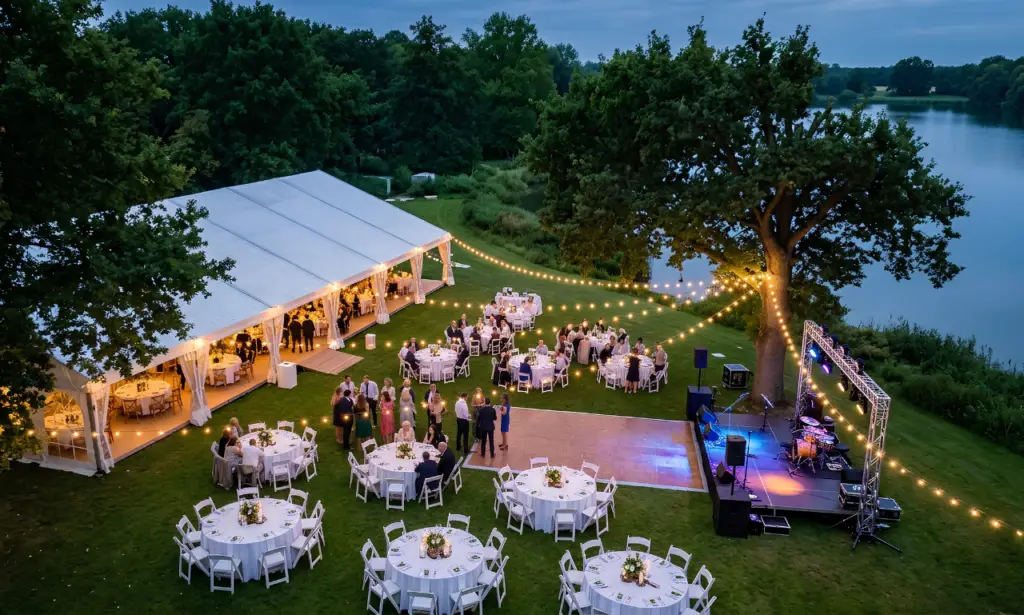
Warm ambient lighting works well around dining tables and lounge areas. Uplighting can add school colors or a chosen theme to walls and architectural features. Festoon lighting may suit an outdoor courtyard or marquee, while controlled stage lighting gives presentations, DJs, and performances a proper focal point.
The trade-off is visibility. A room that is too dark may feel dramatic for five minutes but becomes harder to supervise, serve, and navigate. Keep entry points, pathways, restrooms, exits, and service zones well lit. If there is a dance floor, create contrast between the energetic lighting there and the calmer light around seating.
Avoid relying on a venue’s existing electrical outlets without checking what they can handle. Decorative lighting, sound equipment, catering appliances, heaters, and a DJ setup can add up quickly. A planned power layout prevents overloaded circuits, loose cables, and last-minute changes on the day.
Give Sound and Staging a Proper Plan
If guests need to hear a welcome, teacher speech, award announcement, or final thank-you, a small portable speaker is not always enough. Sound requirements depend on room size, ceiling height, guest count, background noise, and whether music is being played before and after formalities.
A practical system usually includes appropriate speakers, microphones for speakers, and an operator or responsible person who knows how to use the equipment. Wireless microphones are helpful for flexibility, but they should be tested in the actual venue before guests arrive. There is no benefit in a beautifully styled room if the formal program cannot be heard.
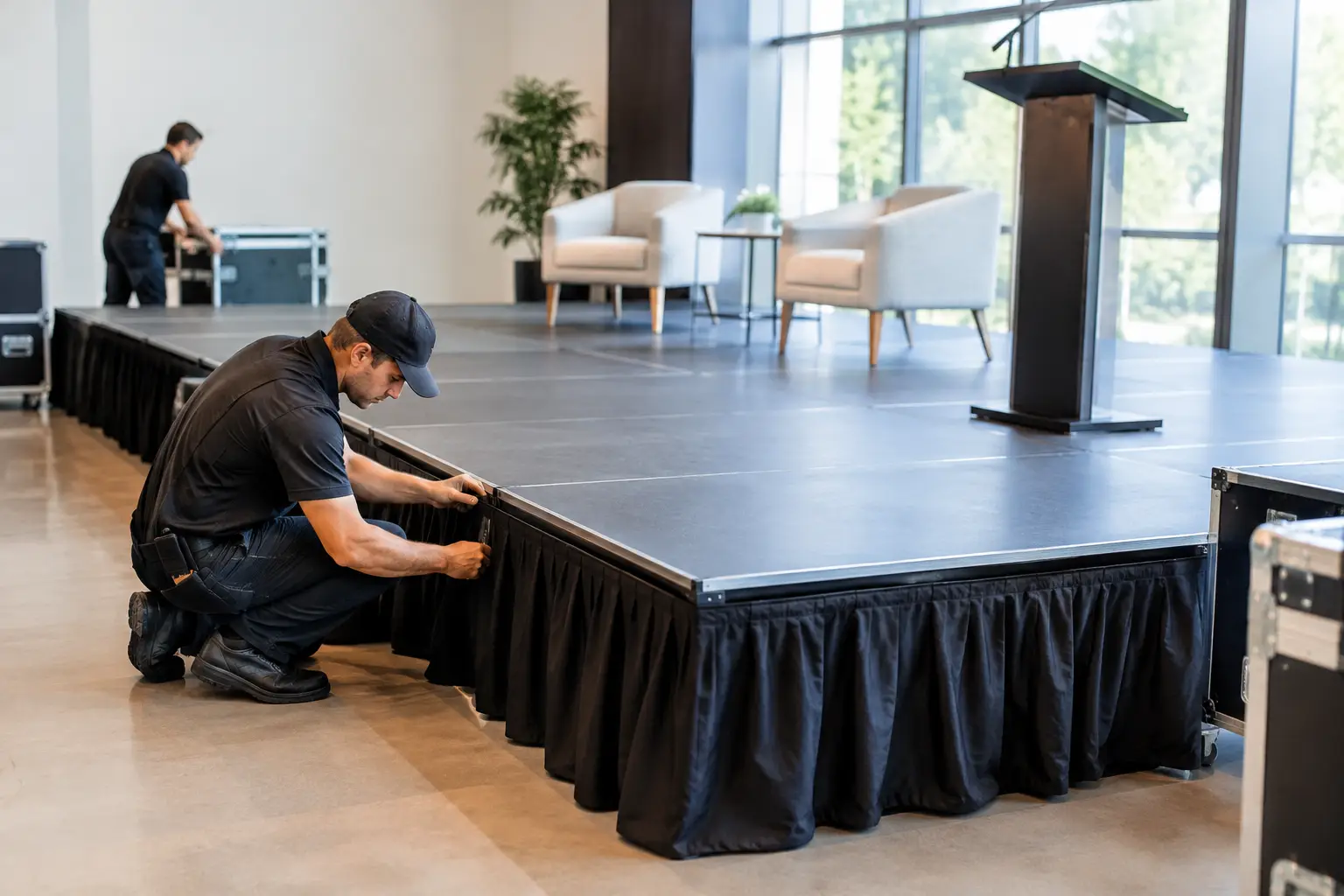
Staging may be needed for presentations, performances, or a raised DJ position. Even a low stage needs safe access, stable surfaces, edge awareness, and enough space around it for speakers and cables. Keep stairs clear and avoid placing décor where it could become a trip hazard.
For larger school formals, separate the technical plan from the styling plan only on paper. In practice, they need to work together. Lighting positions affect photos. Speaker locations affect table layouts. A stage affects sightlines. One coordinated plan avoids the familiar problem of moving furniture after everything has already been set.
Plan for Weather, Power, and Venue Limits
Outdoor formals and courtyard receptions can be memorable, but they need a weather fallback. A marquee or tent provides cover, though it also brings decisions about flooring, lighting, heating or cooling, access, and drainage. Do not assume a structure alone makes an outdoor event weather-ready.
Ask the venue early about load-in times, vehicle access, elevators, noise limits, floor protection, and existing power. Some locations have strict rules around smoke effects, candles, hanging décor, or external suppliers. Others may require proof of insurance, electrical testing, or venue-approved rigging methods.
If the event needs temporary power, calculations should be based on the equipment that will actually run at the same time. Sound, lighting, catering, heating, and charging stations all place demand on the system. A generator or temporary distribution setup should be sized and installed by people who understand the load, cable routing, and safety requirements.
Build Safety Into the Setup
A formal is a celebration, but it is still a school event with duty-of-care responsibilities. Keep entrances, exits, fire equipment, and accessible paths clear from the first delivery through pack-down. Cable ramps or cable covers should be used where leads cross public walkways. Heavy equipment needs secure placement, and temporary structures need appropriate anchoring for the site conditions.
It also helps to designate quiet zones away from speakers and the busiest parts of the room. Not every student wants to spend the whole evening on the dance floor. A well-placed lounge area gives guests a place to reset while helping staff maintain an overview of the event.
Supervision is easier when the layout supports it. Avoid creating hidden corners behind drape, oversized props, or tall furniture. Keep the check-in point visible and give staff a clear location for bags, first aid, lost property, and communication with venue personnel.
Work Backward From Doors Open
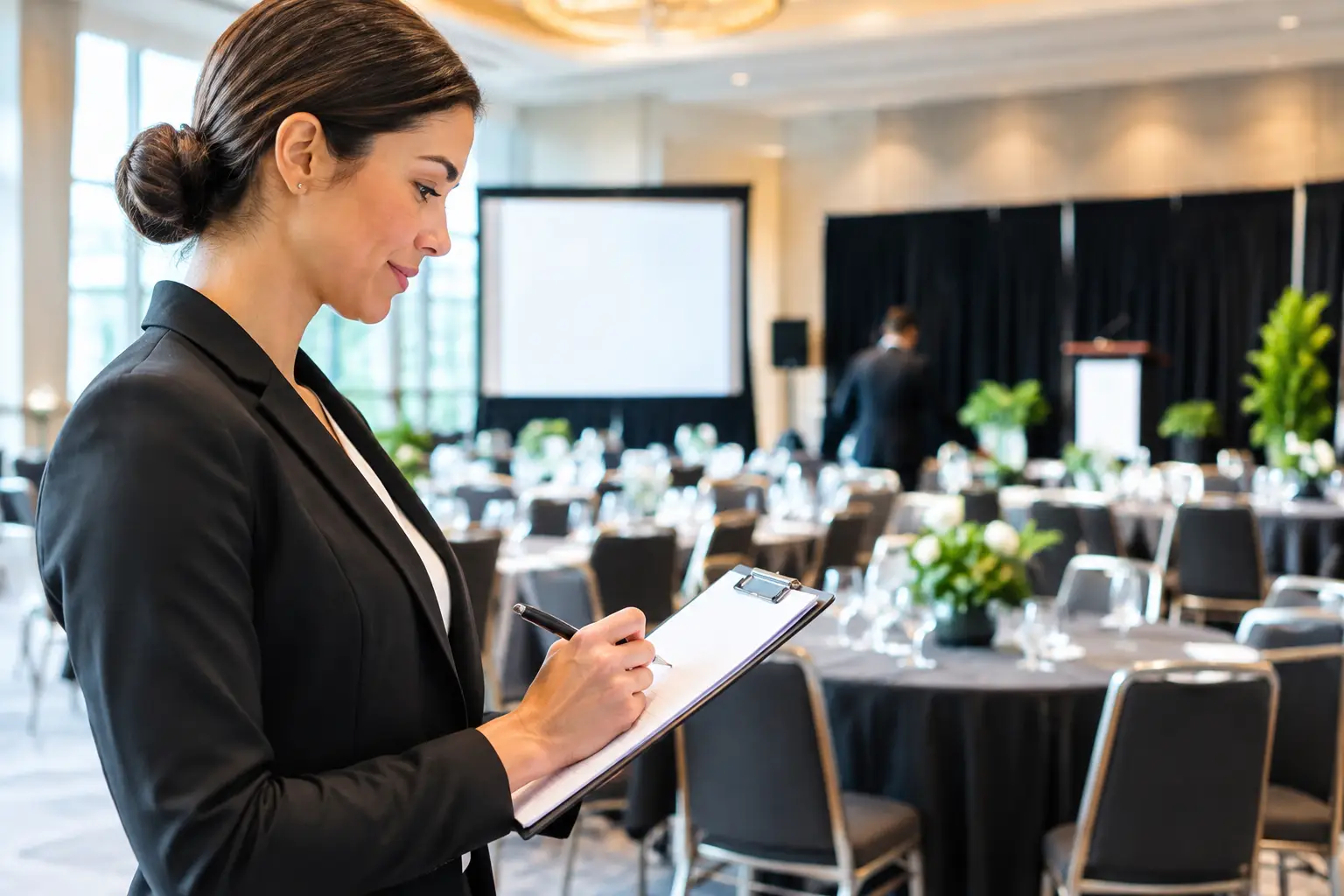
A dependable schedule starts with the guest arrival time, then works backward through every task. Allow time for delivery, installation, electrical testing, furniture placement, styling, sound checks, final cleaning, and a venue walkthrough. Setup always takes longer when access is limited or multiple suppliers arrive at once.
The simplest way to reduce pressure is to coordinate furniture, structures, lighting, sound, power, and pack-down through one booking process. Zero Three Party & Event Hire can plan the guest-facing setup alongside the production requirements, so equipment arrives in the right order and the site is ready before the first student arrives.
Book early if your formal falls in a busy school or end-of-year event period. The date, location, guest count, floor plan, and event finish time are the key details to have ready when requesting a quote. From there, the right hire plan should feel clear, not complicated.
A well-run formal gives students the freedom to enjoy the night because the operational work is already handled. Give the room enough comfort, enough power, enough light, and enough time to be set properly. The result is a celebration that feels special for guests and manageable for everyone responsible for delivering it.